Content is the channel that pays you back for years, which is why it deserves its own plan rather than a slot on a calendar. In RWA marketing, the content engine does three jobs at once: it educates a market that is still forming, it demonstrates expertise to allocators who are quietly evaluating you, and it feeds the search engines and AI assistants that buyers now use to shortlist projects.
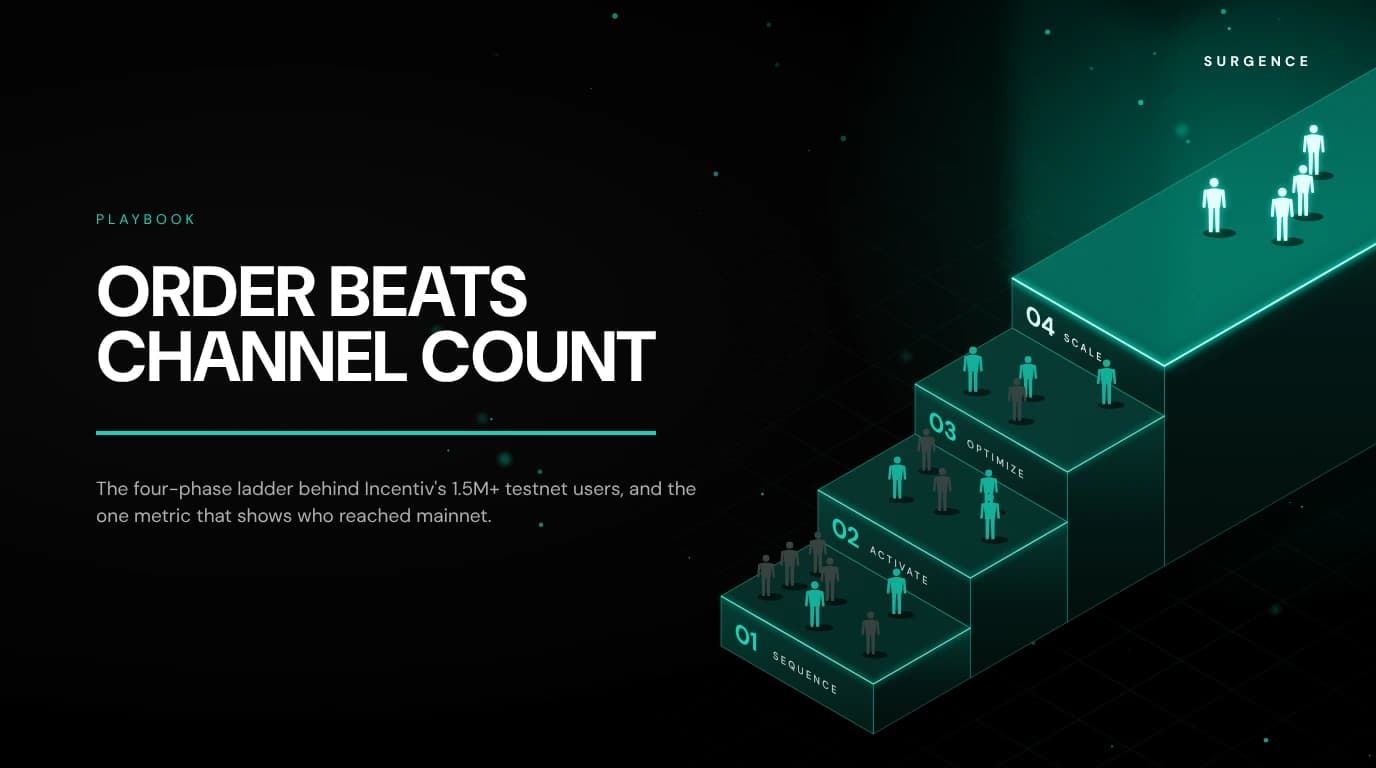
Structure it as a topic cluster, not a pile of one-off posts. A strong cluster for a tokenized-asset project usually works in four layers. Definitional content answers the basics, such as what are real-world assets and how real-world asset tokenization works; these pieces win the high-volume informational searches and get cited by AI tools. Decision content compares options, explains risks, and walks through how allocations actually work, which is where serious buyers spend their time. Proof content, such as case studies, audited performance, and transparency reports, turns claims into evidence. Market content, like data updates and commentary, keeps the page fresh and gives journalists and analysts something to reference.
Write for a human first, then make sure the structure is machine-readable: clear headings, direct answers near the top of each section, and an FAQ block that search engines and language models can lift cleanly. One well-built pillar page can then be repurposed into LinkedIn posts, a newsletter, a conference one-pager, and sales enablement, so a single research effort works across the whole funnel.
Freshness is a ranking signal in this category because the underlying market moves so quickly. A page that shows a recent update date, current figures, and this year’s regulatory context will consistently outrank an older, thinner competitor, even when the older page has more backlinks. Plan to revisit your cornerstone pages every quarter.